
"organic coffee Bolivia"
300 article(s) found

Bolivia's Lake Titicaca small farmers water washing iron pica fine coffee beans cultivation geographical location
Lake Titicaca is located in Bolivia and Peru on the border of the Coyao Plateau, is South America's highest terrain, the largest area of freshwater lakes, is also one of the world's highest elevation of large freshwater lakes, or the world's highest ship navigable lake, is South America's third largest lake (after Lake Maracaibo and Patus Lagoon). Breed: Iron Pickup Producer: Kopanga

Introduction of Bolivian Coffee producing countries in perennial low temperature Environment
Bolivia's high-quality estates, very high altitude, perennial low temperature environment, so that coffee fruit growth is slow, tight enough, aroma is also charming, floral aroma is obvious, such as careful handling, cherries with the same maturity, often have a clean and meticulous high-end taste, this elegant vanilla and honey aromas are very attractive, this champion bean has a variety of floral aromas, vanilla and sweet very long-lasting. To
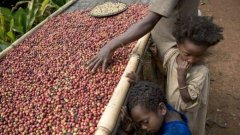
Lake Titicaca in Bolivia: water washing, iron washing, Pica boutique coffee beans, origin, development, history and culture
The advantage of Bolivian coffee lies in its high altitude and excellent varieties of coffee, where the traditional Tibica and a small amount of Kaddura are highly valued in the world market. In the past, coffee trees in Bolivia used to act as hedges and ornaments around the garden. Real commercial production began in the early 1950s. The great frost in 1957 seriously damaged Pakistan.

High-quality Bolivian coffee producing area Yongas, northeast of La Paz.
Bolivia's high-quality estates, very high altitude, perennial low temperature environment, so that coffee fruit growth is slow, tight enough, aroma is also charming, floral aroma is obvious, such as careful handling, cherries with the same maturity, often have a clean and meticulous high-end taste, this elegant vanilla and honey aromas are very attractive, this champion bean has a variety of floral aromas, vanilla and sweet very long-lasting. To

What is the difference between Bolivian coffee and Bolivian coffee?
Professional coffee knowledge exchange More coffee bean information Please pay attention to Coffee Workshop (Weixin Official Accounts cafe_style) Front Street-Bolivia Coffee Introduction Bolivia is located in South America and is surrounded by Brazil, Peru, Argentina, Paraguay and Chile. Bolivia is the poorest country in South America. Due to its backward basic conditions, coffee processing and delivery are not timely.

Suggestions on hand-flushing parameters of Titicaca Fine Coffee beans in Lake Titicaca, Bolivia
For the exchange of professional baristas, please follow the coffee workshop (Wechat official account cafe_style) in Bolivia. 15g powder, medium grinding (small Fuji ghost tooth cutter 4 grinding), v60 filter cup, 88-89 degrees water temperature, 30g water injection for the first time, steaming for 27 seconds, water injection to 105g water cut off, wait for the powder bed water to drop to half and then water injection, slow water injection until 225g water, the end section is not

Bolivian Coffee Manor with a very lasting sense of vanilla and honey
Bolivia's high-quality estates, very high altitude, perennial low temperature environment, so that coffee fruit growth is slow, tight enough, aroma is also charming, floral aroma is obvious, such as careful handling, cherries with the same maturity, often have a clean and meticulous high-end taste, this elegant vanilla and honey aromas are very attractive, this champion bean has a variety of floral aromas, vanilla and sweet very long-lasting. To

Bolivian Coffee Snow Veins Manor Flavor Introduction Bolivian Coffee Features
Bolivia's high-quality estate, altitude is very high, the environment of low temperature all the year round, so that coffee fruit growth is slow, close enough, aroma is charming, floral flavor is obvious, such as careful processing, picking the same maturity of cherries, often have a clean and delicate senior taste, this elegant vanilla and peach flavor is very attractive, this champion bean flower aroma is very diverse, vanilla and honey sweet feeling is very lasting. to

Peruvian Coffee Flavor description Grinding characteristics introduction to the taste of high-quality coffee beans in producing areas
Independence was declared on July 28, 821, and the Republic of Peru was established. On October 28, 1835, Bolivia and Peru formally merged, known as the Confederacy of Peru and Bolivia. On February 20, 1839, the Confederacy completely disintegrated. Slavery was abolished in 1854. From 1879 to 1883, Peru joined Bolivia and Chile in the South American Pacific War for saltpeter production. After Peru's defeat, Chile won the world's largest
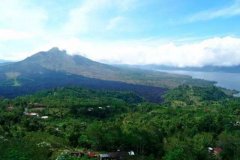
The story and story of Lake Titicaca in Bolivia tapping small farmers to wash iron and Pica boutique coffee beans.
Professional baristas Please pay attention to the Coffee Workshop (Wechat official account cafe_style) Bolivian coffee has the advantages of high altitude and excellent coffee varieties, where the traditional Tibica and a small amount of Kaddura are highly regarded on the world market. In the past, coffee trees in Bolivia used to act as hedges and ornaments around the garden. Real commercial production comes from

Description of Bolivian Coffee Flavor of refreshing Perfume
The following are the basic information and cup test taste of this batch of champion beans: the following materials are the Osher Cup test report and the official website of CoE: country: Bolivia, Bolivia producing area: Yungas of La Paz Administrative Town: Yanacahi Award winning Manor: Agrotakesi SA Manor owner: Mauricio Ramiro Diez de Medina Rank: No.1 (2009 CoE Champion)

A brief introduction to the description of balanced taste and aroma characteristics of Bolivian coffee
Takesi Manor, drinking water and coffee after harvest treatment, using alpine melting cold snow landscape, so we give her a nickname: Takesi Snow vein Manor; in addition to low temperature, pollution-free environment, fertile and well-drained volcanic soil, is also an element of coffee flavor, although the owner of Agrotakesi SA is rich, but deep respect for nature and the way to get along, but

Introduction to boutique coffee with obvious rich flavor and taste characteristics of Bolivian coffee manor
In 1863, rich saltpetre deposits were discovered in Atacama province along the Pacific coast. In 1879, Chile sent troops to occupy the mining area, and Bolivia joined forces with Peru to wage the Pacific War with Chile. Bolivia was defeated in 1883 and ceded the saltpeter-rich Pacific coast to Chile in 1904. Bolivia lost its only coastal province, including the important port of Antofagasta, from

High quality Bolivian snow vein estate coffee beans flavor taste aroma characteristics Description
In the southwestern highlands of Ethiopia, the Kaffa, Sheka, Gera, Limu and Yayu Senli coffee ecosystems are considered home to Arabica coffee. These forest ecosystems are also home to a variety of medicinal plants, wildlife and endangered species. Western Highlands of Ethiopia

Description of Variety and Flavor in Bolivian Coffee production area introduction of Grinding degree and Baking degree
Flavor: dry aroma of roasted nuts and almonds. Lake Titicaca of orange and pomelo is located on the Coya'ao Plateau on the border of Bolivia and Peru. It is the highest and largest freshwater lake in South America. It is also one of the highest freshwater lakes in the world. It is also the highest navigable lake for ships in the world. It is the third largest lake in South America to wash Bolivia with a cup of water.

A variety of floral Bolivian coffee estates Flavors Taste characteristics Snow Veins Estate
Bolivia's high-quality estate, altitude is very high, the environment of low temperature all the year round, so that coffee fruit growth is slow, close enough, aroma is charming, floral flavor is obvious, such as careful processing, picking the same maturity of cherries, often have a clean and delicate senior taste, this elegant vanilla and peach flavor is very attractive, this champion bean flower aroma is very diverse, vanilla and honey sweet feeling is very lasting. to
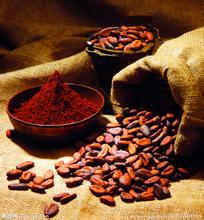
Rich and Sweet Peruvian Coffee Flavor description of the characteristics of producing areas introduction to the methods of taste treatment of fine coffee
Independence was declared on July 28, 1821, and the Republic of Peru was established. On October 28, 1835, Bolivia and Peru formally merged, known as the Confederacy of Peru and Bolivia. On February 20, 1839, the Confederacy completely disintegrated. Slavery was abolished in 1854. From 1879 to 1883, Peru joined Bolivia and Chile in the South American Pacific War for saltpeter production. After Peru's defeat, Chile captured the world.

Introduction of Bolivian Coffee Flavor Snow vein Manor Bolivian Coffee producing area
Bolivia's high-quality estates, very high altitude, perennial low temperature environment, so that coffee fruit growth is slow, tight enough, aroma is also charming, floral aroma is obvious, such as careful handling, cherries with the same maturity, often have a clean and meticulous high-end taste, this elegant vanilla and honey aromas are very attractive, this champion bean has a variety of floral aromas, vanilla and sweet very long-lasting. To
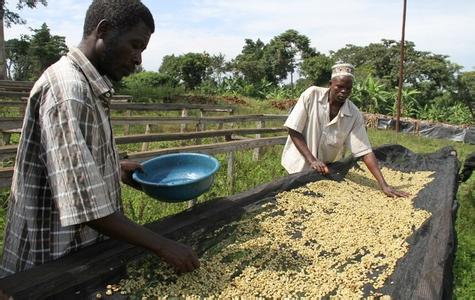
An introduction to the coffee flavor characteristics of Lake Titicaca coffee in Bolivia, the highest in South America.
Producing area: baking degree of Lake Titicaca: moderate baking method: washing variety: iron pickup producer: tapper Gabbana small farmer flavor: dry aroma of roasted nuts and almonds. Lake Titicaca of orange and pomelo is located on the Coaya Plateau on the border of Bolivia and Peru. it is the highest and largest freshwater lake in South America and the largest freshwater lake in the world.

Rich aroma Peruvian coffee grindness taste boutique coffee flavor description method introduction
Independence was declared on July 28, 1821, and the Republic of Peru was established. On October 28, 1835, Bolivia and Peru formally merged, known as the Confederacy of Peru and Bolivia. On February 20, 1839, the Confederacy completely disintegrated. Slavery was abolished in 1854. From 1879 to 1883, Peru joined Bolivia and Chile in the South American Pacific War for saltpeter production. After Peru's defeat, Chile captured the world.